Of Snoozing Badgers & Puffball Mushrooms: Exploring Point Reyes’ Wintertime Grasslands
December 19th, 2025 | Words by Avani Fachon | Illustrations by Sophie Wood Brinker
During the rainy season, Point Reyes grasslands become blanketed with young verdant sprouts—the start of the spring green-up. Often overshadowed by the showy blooms of springtime, our wintertime prairies offer their own set of wonders, from the science behind snoozing badgers’ “temporary hibernation” to rousing seed banks which contain the genes of generations past. Take a peek into the Seashore’s winter marvels and the many interesting behaviors and characteristics that you may observe in this biodiverse landscape.
This article is part of Inflorescence, a series exploring the biodiversity of Point Reyes’ coastal grasslands and what land stewards are doing to preserve and restore this endangered habitat.
Rousing Genes Through Seed Banks
Some plants that are beginning to germinate this winter may have been waiting a long time to shine…even hundreds of years.
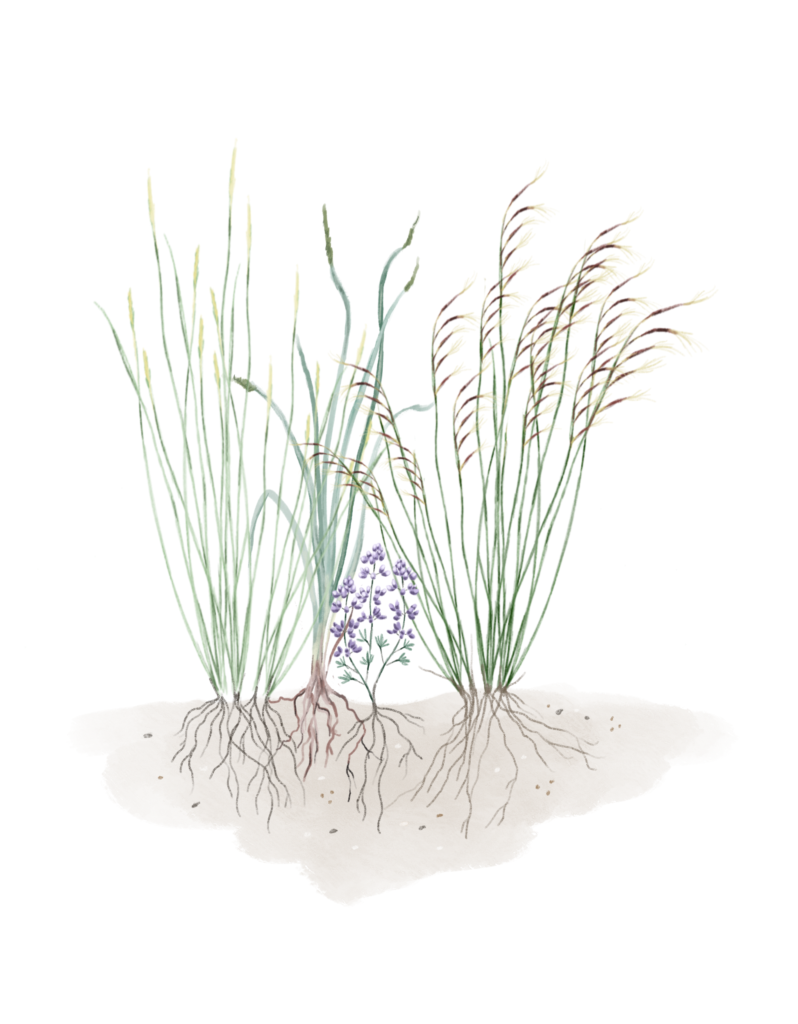
You may have heard about seed dispersal over space—but dispersal over time is crucial to maintaining a healthy population as well. Belowground, grasslands house vast seed banks—treasure chests of variation in size, color, shape, and genetic material. From the lens-shaped seeds of Hasse’s sedge (Carex hassei) to the smooth black capsules of the Western blue-eyed grass (Sisyrinchium bellum), a huge diversity of life is tucked away under the soil’s surface. These seeds can remain in the bank for a year—or for decades, and in rarer instances, hundreds of years—patiently awaiting opportune conditions to germinate. The depositories are critical for genetic resilience, allowing genes from past generations to bolster the diversity of current populations. In the face of extreme drought or fire, these stored seeds allow plant communities to re-establish themselves. Seed banks are especially important to safeguarding rare grassland plants, such as the San Francisco owl’s clover (Triphysaria floribunda).
During the winter, a portion of the bank’s seeds will sprout—genes from past generations rousing to support those of the future.
Snoozing Badgers
During the winter months, much of Point Reyes’ underground world is stirring—cells multiply by the trillions as twisting roots lengthen and tiny seeds are triggered by rain. Other underground residents, however, aren’t as keen on waking up. Deep within subterranean burrows rest the snoozing, black and white forms of American badgers (Taxidea taxus).
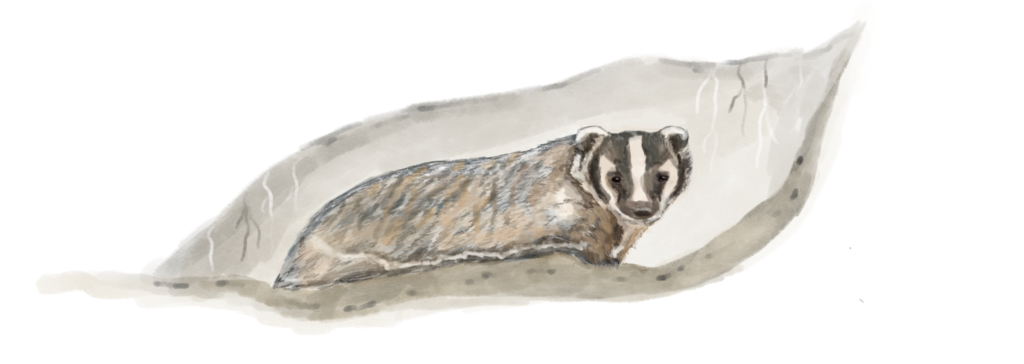
These sleepy mammals aren’t hibernating, but moving in and out of torpor—a period of around 29 hours in which their metabolism, heart rate, respiration, and body temperature reduces and slows. Some of their favorite foods, including small mammals, eggs, lizards, and insects, may be more scarce during the colder months, resulting in these periods of “temporary hibernation” to conserve energy.
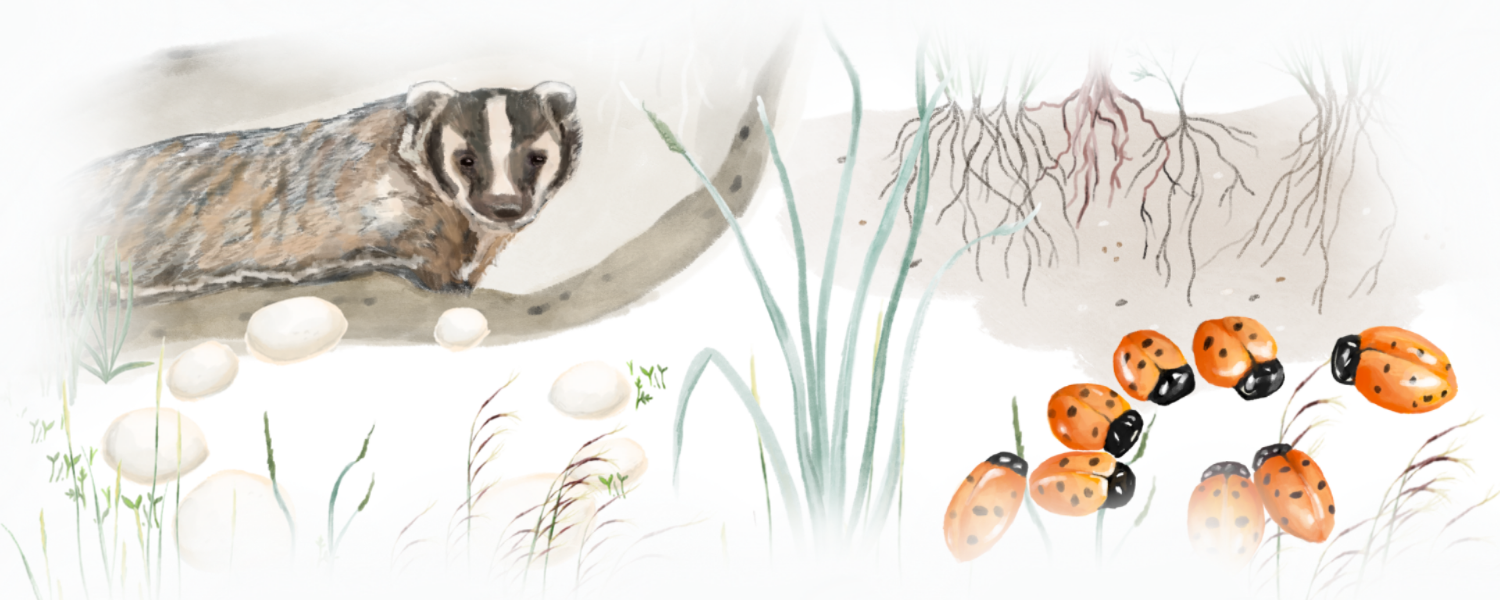
Though they are less active in the wintertime, badgers still play an important role in upholding Point Reyes’ winter grasslands. When they wake up from torpor and use their strong foreclaws to excavate their dens and dig for prey, they are also helping aerate the soils and churn up the seed bank (see “seed bank” highlight above)—key ingredients for a lush and diverse spring green-up. Their excavations also provide warm shelter for other grassland inhabitants, such as burrowing owls and lizards.
Fairy Rings of Puffball Mushrooms
While exploring Point Reyes’ winter grasslands, you may be lucky enough—or as some folklore might suggest, unlucky enough—to stumble upon a fairy circle of mushrooms.
Just as a pebble dropped in still water causes a ripple of water to move outward, mycelium networks grow from a central starting point, expanding outwards as they seek fresh stores of nutrients. The mycelium doesn’t return to the center of the circle where the nutrients are depleted, but instead continues to move out into the grassy landscape. Mushrooms—the fruiting body of the mycelium—pop up and reveal these circles above ground. If the soil is homogeneous, mycelium will continue to form fairy rings which become larger over time. Among other species, the Western giant puffball (Calvatia booniana) forms fairy rings in California’s coastal grasslands. Adding to the magical scene, these mature puffballs release clouds of fine olive-brown spores into their air when tapped.
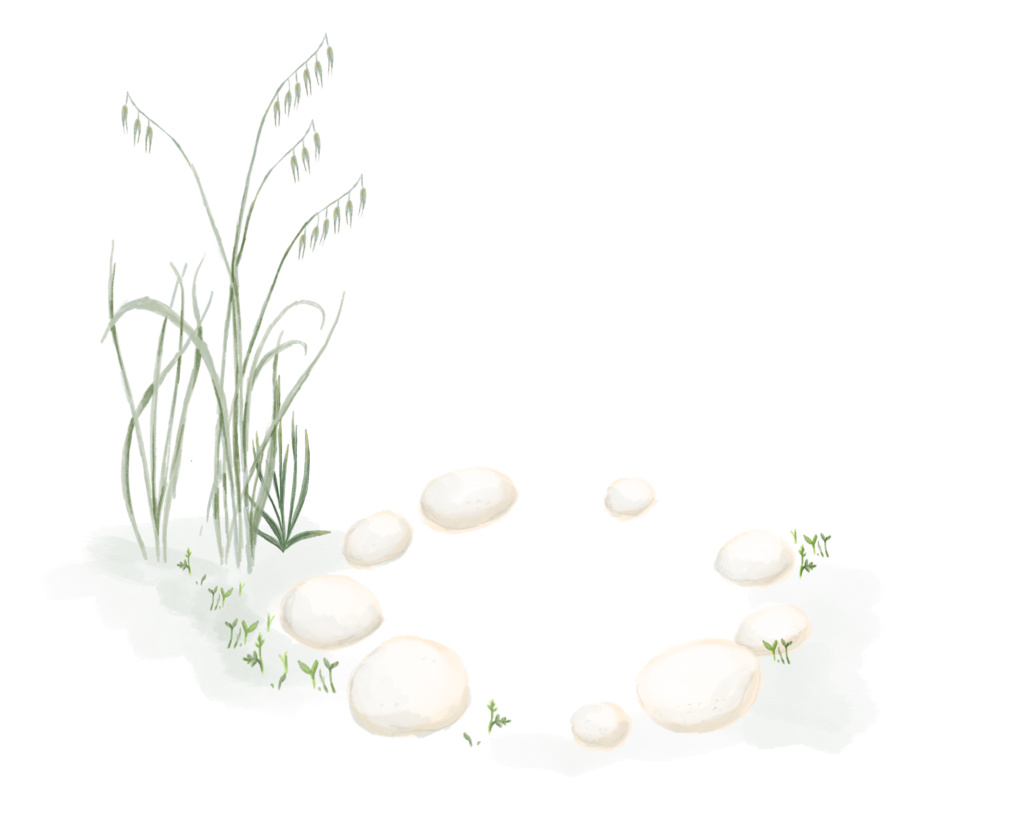
Around the world, these rings are viewed as places of magic—where witches gather, where treasure is concealed, and where fairies dance together. Some of these myths bode well for humans, telling of increased fertility or good fortune when one falters into the circle during a full moon. Others are not so promising, recounting tales of fairies forcing humans who enter the ring to dance to exhaustion. Wherever the truth lies, the fairy rings are certainly a sight to behold.
A Loveliness of Ladybugs
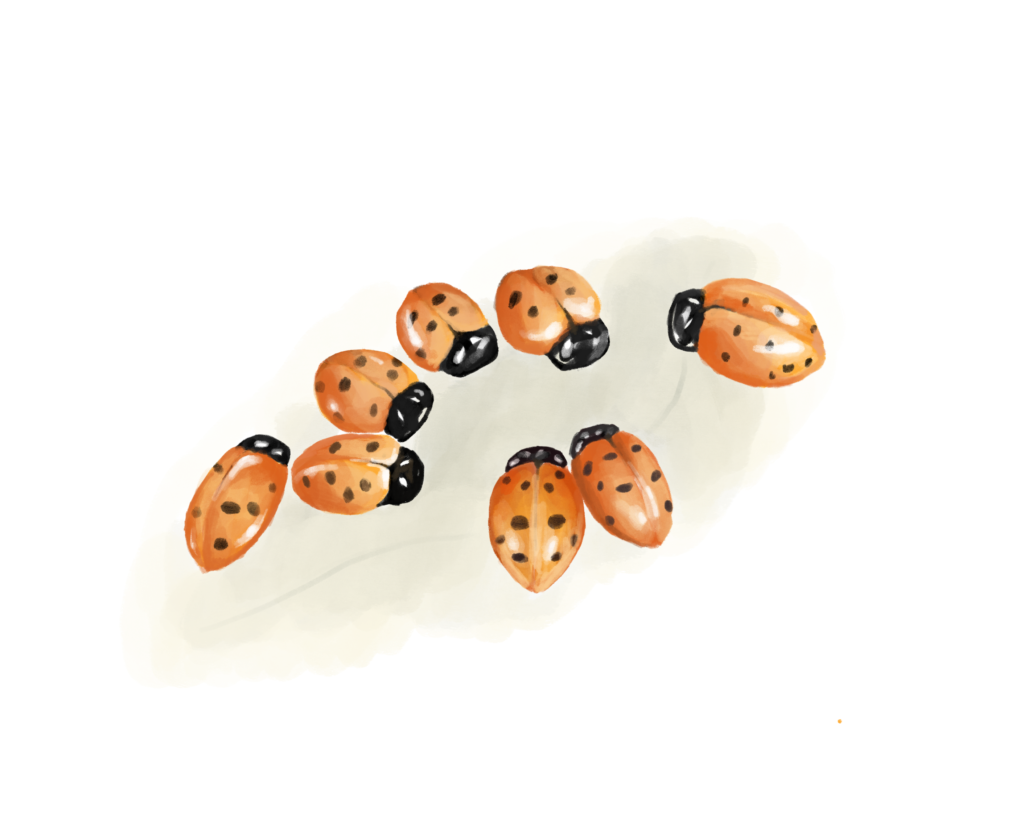
During the wintertime, grassland-goers have reported finding huge red-black clumps hidden within the Seashore’s perennial grasses as thousands of convergent ladybugs (Hippodamia convergens) aggregate for the winter.
After locating a suitable spot to overwinter—somewhere cool, damp, and protected—these ladybugs emit an aggregation pheromone (think: a mix of chemical compounds released into the air). Individuals from far and wide are attracted to these chemical potions, leading to groupings of thousands of ladybugs (aka…a loveliness of ladybugs). Many scientists hypothesize that these critters clump together to conserve heat and moisture; the huge, red masses simultaneously deter hungry predators. Others also believe that aggregating allows these beetles to more easily find mates before they disperse in the spring.
While the convergent ladybug is one of Point Reyes’ most common beetles during the wintertime, observers have spotted at least twenty ladybug species around the Seashore.
Resilient Roots & Blue Wildrye
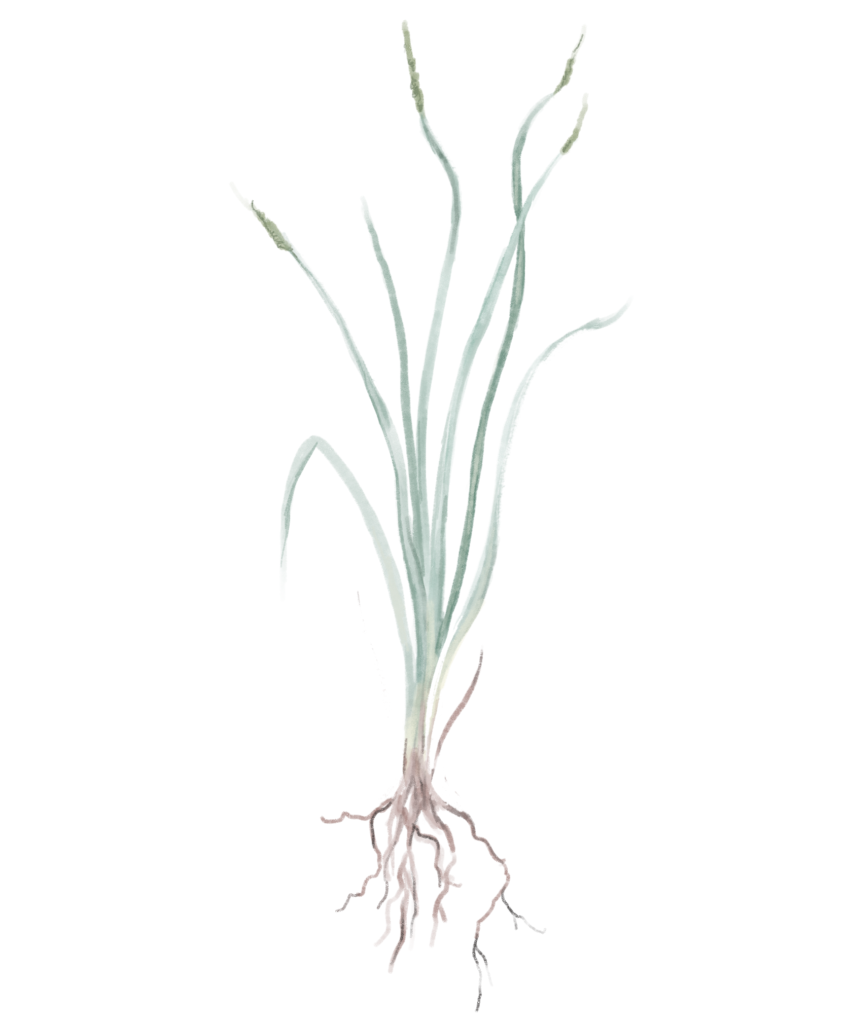
Many of the grasses in Point Reyes’ prairies are perennial, meaning that they grow back year after year through their root systems. California’s native blue wildrye (Elymus glaucus), for instance, has fibrous, branched roots which tunnel deep into the soil. During the summer months, most of the grasses’ stems and leaves dry out, but the plant remains alive below-ground; long roots curve through the soil and reach into stores of water and nutrients. This root network supports the plant through the summer, and also “holds” together the ecosystem by providing soil stability, reducing salinity, and sequestering carbon.
At this time of year, Point Reyes grasslands become carpeted with a layer of tender green. Water is plentiful and stimulates perennial roots to begin growing stems—the beginning of the spring green-up.