The Power to Protect: Inspiring Conservation Through Photography
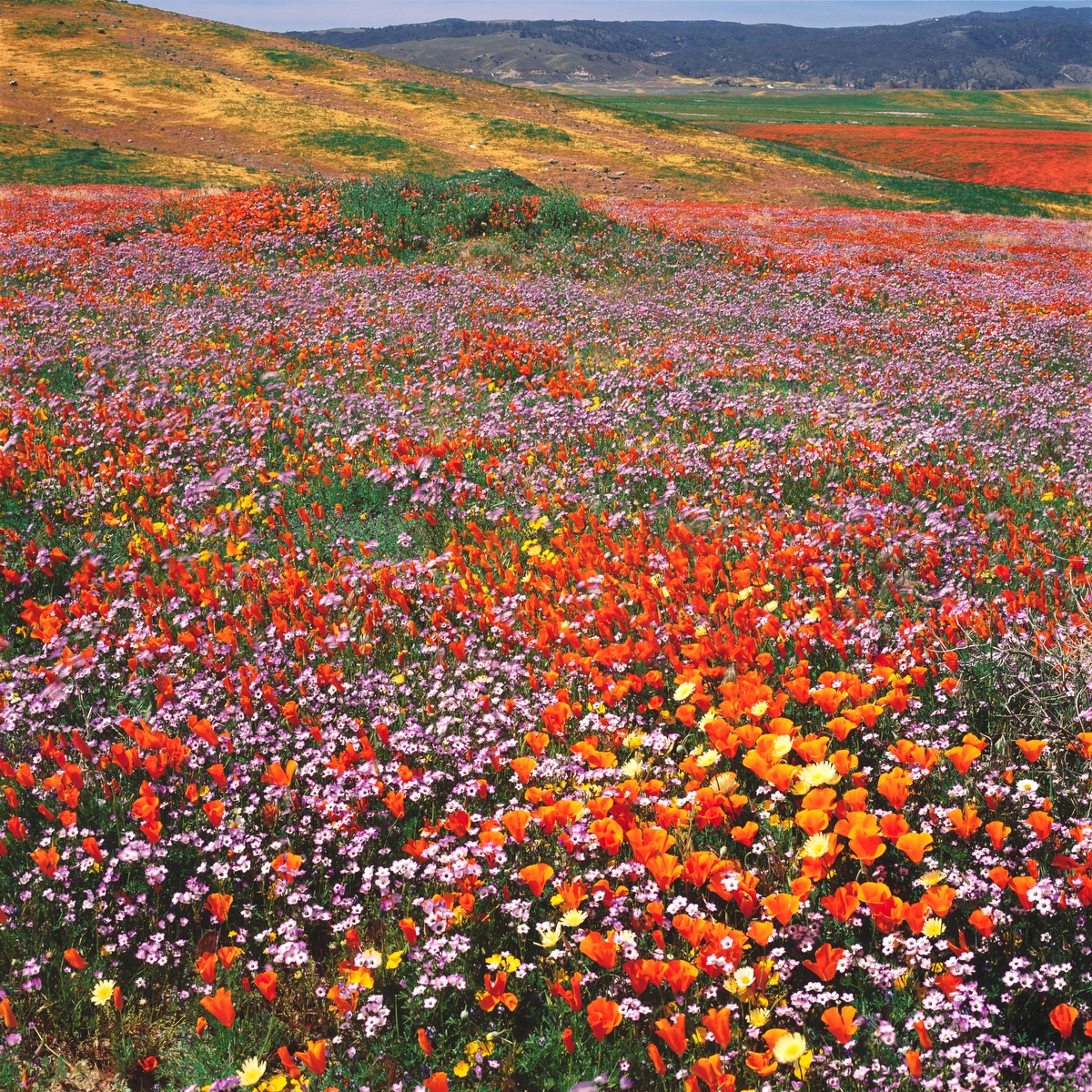
It started with a superbloom. In 1992, Rob Badger was invited to make the trek from his home in the Bay Area to the Antelope Valley California Poppy Reserve to photograph a particularly abundant spring bloom, coming off of six years of drought. Little did he know, the trip would change the trajectory of his and his partner Nita Winter’s life work.
Both originally from the East Coast, Rob and Nita each found their way to California and met, fittingly, in a photo lab. Nita was photographing people at the time, her career taking off with a documentary project on the children of the Tenderloin. Rob had been documenting environmental issues on public lands—mining, pollution, and logging—in support of more protective policies out of Washington D.C.
The couple was living in San Francisco, and in their free time explored the surrounding area, including Marin County and Point Reyes National Seashore, immersing themselves in nature and artistically portraying what they discovered. However, it wasn’t until that first superbloom in the desert that these forays developed into a 30-year conservation project for them both, photographing wildflowers across California on our state’s public lands.
A “moving carpet” of wildflowers
Rob stood in awe before the “acres of California poppies rolling in waves as pulses of wind passed through them—a moving carpet that stretched into the distance.” He called Nita, who was at home working on another photo assignment, and described it to her. The landscape was particularly vibrant that year, with purple bird’s eye gilia blossoms mingling amongst the deep golden-orange glow of the poppies. Rob had never seen anything so beautiful, and decided he needed to drive six hours home to pick Nita up and bring her back to see the superbloom for herself.
Both Rob and Nita had been committed to driving action through their photography and contributing to positive change in the world, Nita’s work supporting social causes and Rob’s shining a light on environmental and conservation issues. After this trip to Antelope Valley, a seed was planted: they would devote their talents and lives to protecting our vanishing wildflowers.
Inspiring action through beauty
Later that year, the pair moved to Marin and continued to pursue wildflower photography, all the while circling around a question on how this work could make a difference. An Inconvenient Truth had recently been released, and climate change was getting attention in the media and public conversation. Rob and Nita saw the close connection between climate, species extinction, and public lands conservation, and wanted to amplify that story. However, they also knew first-hand how quickly both the artist and the audience could burn out and lose hope when focusing solely on destruction, degradation, and crisis.
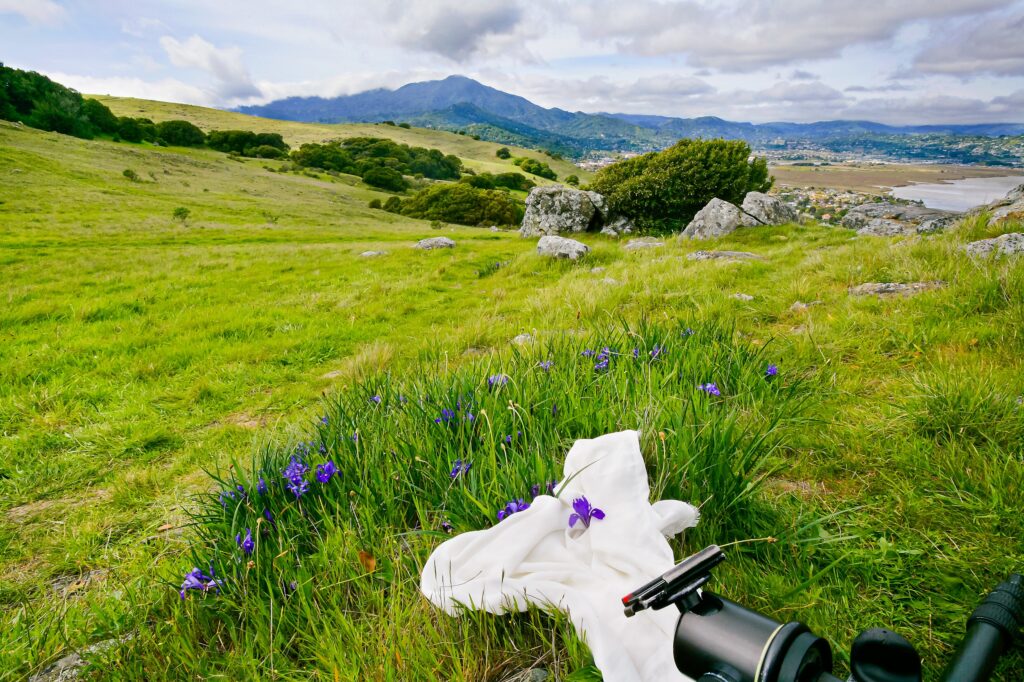
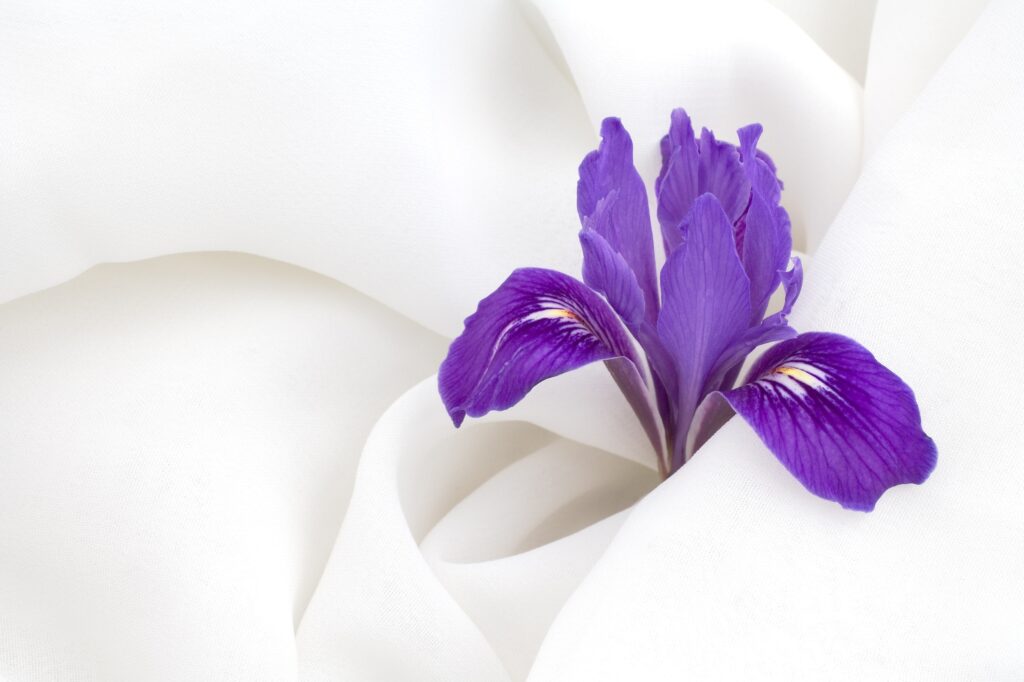
They set out to create something different and uplifting, to spread awareness, hope, and inspire action with beauty. The pair developed a unique approach to photographing wildflowers without causing them damage. Looking at their striking photo of the bowltube iris, you may initially think the flower was plucked from the field and captured in a studio. But Rob and Nita never pick the flowers, instead bringing their lighting equipment into nature and creating a “field studio”—utilizing natural light from the sun and moon with reflectors and diffusers. The effect is breathtaking.
With each photo, the pair hopes to create a connection between the audience and the flower. Rob shares more on the ethos behind their work: “When you fall in love with something, you’re not going to destroy it. Every unique living thing has a place, a right to be here, and to have its existence fulfilled and continue through the next generation. When you feel that value in your heart, you care and protect that being.” Rob and Nita underscore that humans are part of nature and the interconnected web of life—we have the capacity to destroy but also the power to protect.
The evolution of an art show
The couple’s work together is called The WinterBadger Collection. In 2009, Rob won an award from the Wildlife Photographer of the Year competition sponsored by the BBC and the British Museum of Natural History for one of his wildflower landscapes. He wanted to bring samples of their work to London, and decided to put together a one-off book.
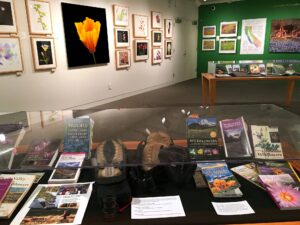
In 2016, the curator of the San Francisco Public Library’s Jewett Gallery asked Rob and Nita to create an exhibit that was specific to California wildflowers. From there, a nonprofit exhibit management company picked up half the show, which has traveled around the state showcasing large-format wildflower photographs—some images displayed at up to 12 feet tall. The text that accompanied the photos was action-oriented, inspiring viewers to advocate and take action for native plants and public lands through voting, volunteering, and making lifestyle changes.
This evolved into Beauty and the Beast: California Wildflowers and Climate Change, a coffee table book which has since won 12 awards. The idea was to pair wildflower photos with articles and personal short stories from a variety of different voices—the book features 190 photographs and written pieces from 16 writers, including José González, founder of Latino Outdoors, and Potawatomi botanist and author Robin Wall Kimmerer.
Rob and Nita are currently working on an audio version of the book for the blind, low vision, and those with reading challenges. A friend they met through publishing the book, who is visually impaired, shared that verbal descriptions by Rob of their photos helped her stay connected to nature; it’s important to Rob and Nita that they provide opportunities for more people to experience the awe-inspiring beauty of our native California flora. The audio version will have narrated stories that incorporate nature sounds, and each photo will have an audio description, with a selection of images having more in-depth, immersive descriptions.
Each step is a destination
Rob and Nita say that this work has also transformed their own personal relationships with nature. When exploring a trail, many people may be focused on hiking to reach a destination, but for the couple, every step of the way is a destination in and of itself. This work has brought them to many of our public lands in the west, encouraging the duo to explore places they may not have normally gone. Each floral portrait takes about an hour to an hour and a half to complete, so the photographs require them to slow down, and pay close, deep attention to these species, allowing them to form immersive, emotional experiences with individual flowers. Nita shares that from there, “you start to notice the connections between the plant and what surrounds and interacts with it—the insects, birds, the wind.”
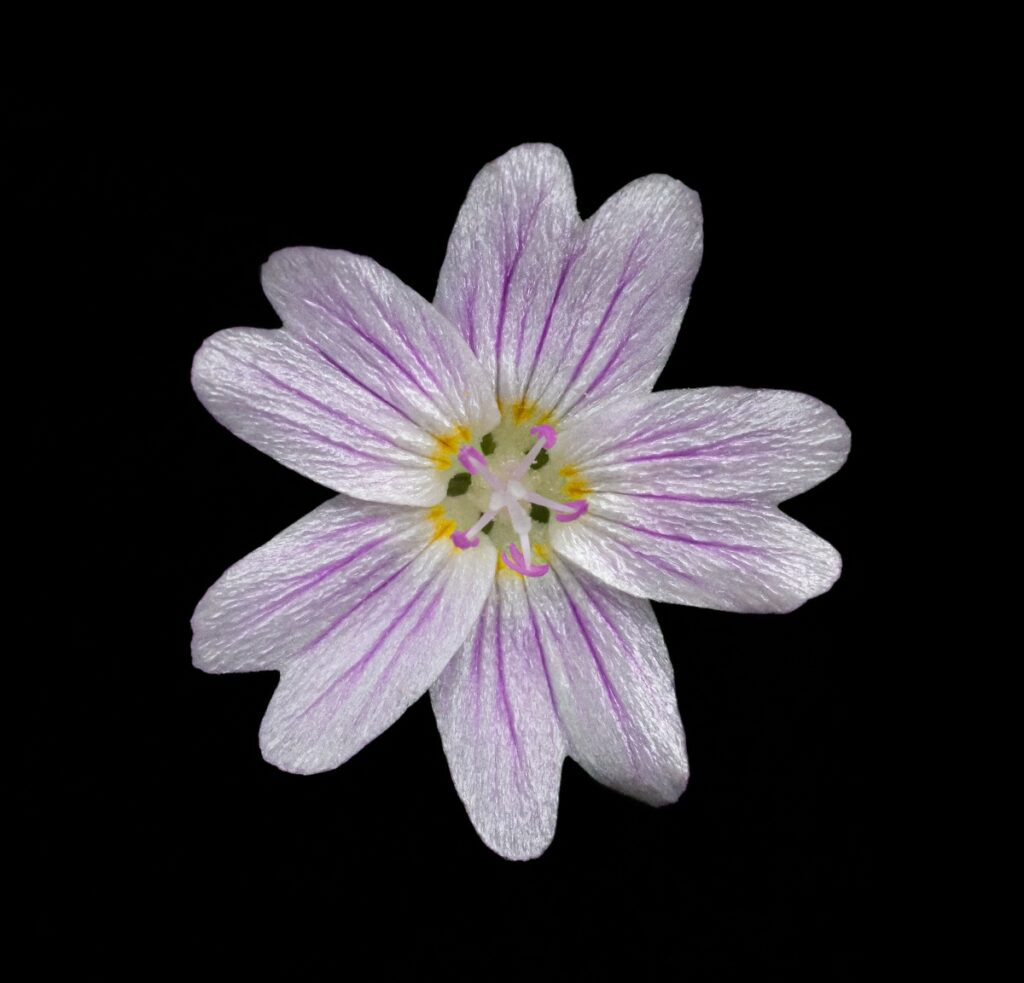
A memorable discovery for the pair was the candy flower, which they first encountered right here in Point Reyes. They were wandering Abbotts Lagoon Trail with the aim of photographing another species, when they noticed the tiny blossom. When viewed up close, they were treated to the extraordinary iridescence of the flower, and intricate details like the dark pink lines that run up each petal. As with other species they’ve photographed, their eyes are now primed to recognize it—Nita says they recently walked the Earthquake Trail and saw candy flowers blooming all along their route.
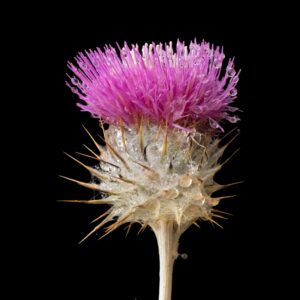
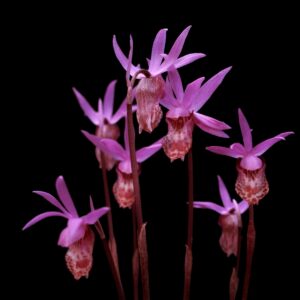
A selection of Rob and Nita’s wildflower photos is on display at the Bear Valley Visitor Center through the end of June. They curated this exhibit by choosing photos of wildflowers taken in Marin County, or featuring flowers that can be found in the area and at Point Reyes National Seashore. Prints and notecards are available for purchase, with a percentage of proceeds directly supporting the park—including our habitat restoration and conservation work, much of which is aimed at preserving the Seashore’s floral diversity. Take a moment to stand in front of the cobweb thistle or Calypso orchid and examine the details. What bubbles up for you? Do you feel the connection?
Learn more about The WinterBadger Collection on their website, which also features videos and a sample audio description of the sacred datura. Find Beauty and the Beast for sale locally at Point Reyes Books and Toby’s Feed Barn.
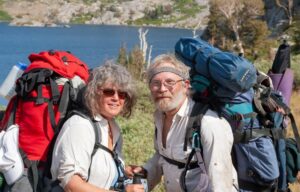
Internationally acclaimed conservation photographers Rob Badger and Nita Winter have been life partners and creative collaborators for more than three decades. Their work has been featured in Time, Mother Jones, and Sierra magazines, the New York Times, Washington Post, San Francisco Chronicle and the Los Angeles Times. They are the recent recipients of the Sierra Club’s 2020 Ansel Adams Award for Conservation Photography.